
ARTICLES
Pure forest honey from an ancient ayurvedic forest in Punjab
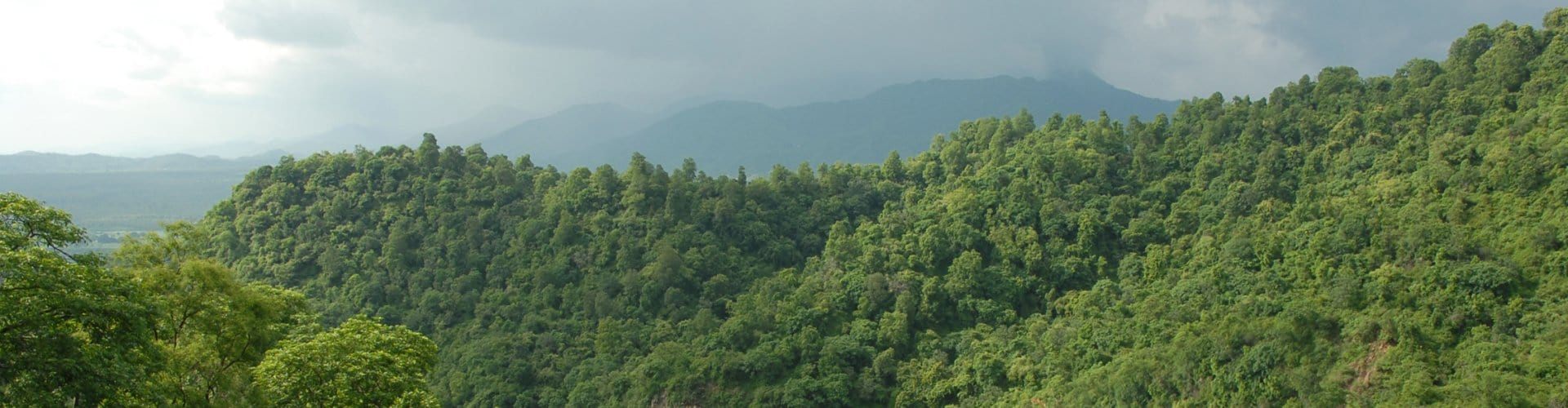
Inside Punjab’s last forest belt, a new kind of honey producer is emerging. Far away from roads, farmlands and pollution, lies a protected ancient forest that few know exists. This privately owned forest known as “Treephala Forest” is home to over 300 indigenous plants (many of great importance in ayurveda) that have been growing undisturbed for centuries. The forest is home to hundreds of species of birds, an abundance of diverse wildlife and an ecosystem largely untouched by modern development. From this revered millennia old forest, a new category of all-natural superfoods is re-emerging. What earlier generations took for granted i.e. the purity of plants, the nutritional depth of honey, the idea that food quality begins with the landscape, is beginning to return in a modern context.
For decades, conversations around purity of everyday food, honey etc in India have centred on labels like “organic,” “raw,” and “unprocessed.” But a new category is quietly drawing attention: “forest-grown superfoods” like turmeric, honey, aloe vera and more that are harvested deep inside wild ecosystems, accessible by foot only and where bees forage naturally on diverse flora that existed long before modern agriculture.
One of the organisations leading this shift is Treephala Earth Pvt Ltd, a conservation-driven company that manages this centuries-old forest. Their honey has caught the attention of chefs, wellness experts, organic brands and international judges alike, most recently earning recognition at the London Honey Awards. But awards don’t tell the whole story.
Unlike most honey in the Indian market, which is either adulterated or mostly mono-floral honey (mustard or sunflower or eucalyptus etc) Treephala’s honey is produced in isolation from agricultural influence. Here, bees are spoilt for choice with a botanical buffet of wild growing ayurvedic species and wild herbs. The result? A honey with a distinctly layered flavour, a richer profile of natural enzymes, and a complexity that reflects the biodiversity of the forest itself. But more importantly, it reflects a philosophy: honey can only be as pure as the ecosystem it comes from.
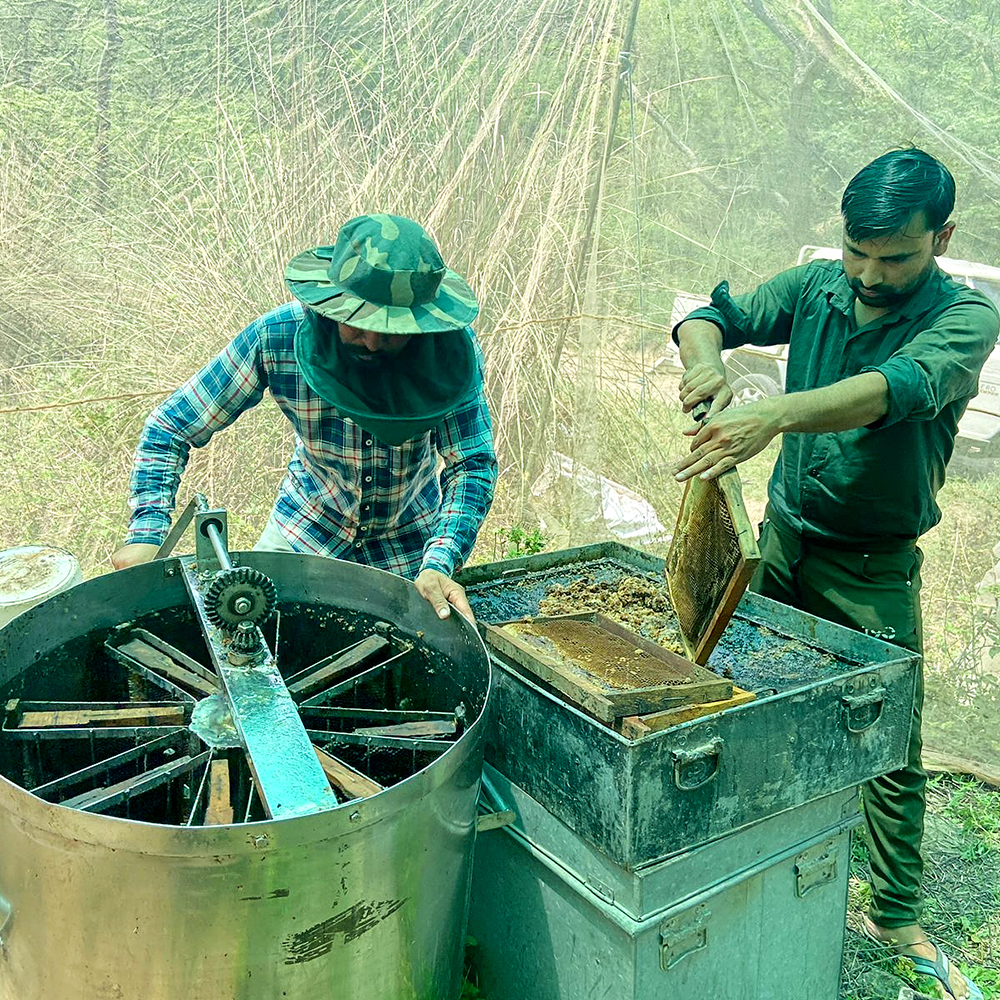
Treephala’s approach is rooted in conservation rather than commercial scale. Bee colonies are placed sparsely to avoid pressure on any single flowering zone, and harvesting is done gently. The honey is never heated, aggressively filtered or blended for uniform taste. As founder Premjit Singh puts it: “I don’t see our role as improving honey. Nature has already perfected it. Our job is simply to keep the forest healthy enough to make it.”
With food authenticity facing increasing scrutiny, returning to small producers rather than relying on supermarket convenience may be our most realistic path back to food that is genuinely nutritious and connected to the landscape it came from.
Rhea Gurung
(Food & Wellness writer in search for ancient foods, artisanal producers, and clean-label living.)


Acres of forest
Endangered species introduced
Flora planted since 1st January, 2023